
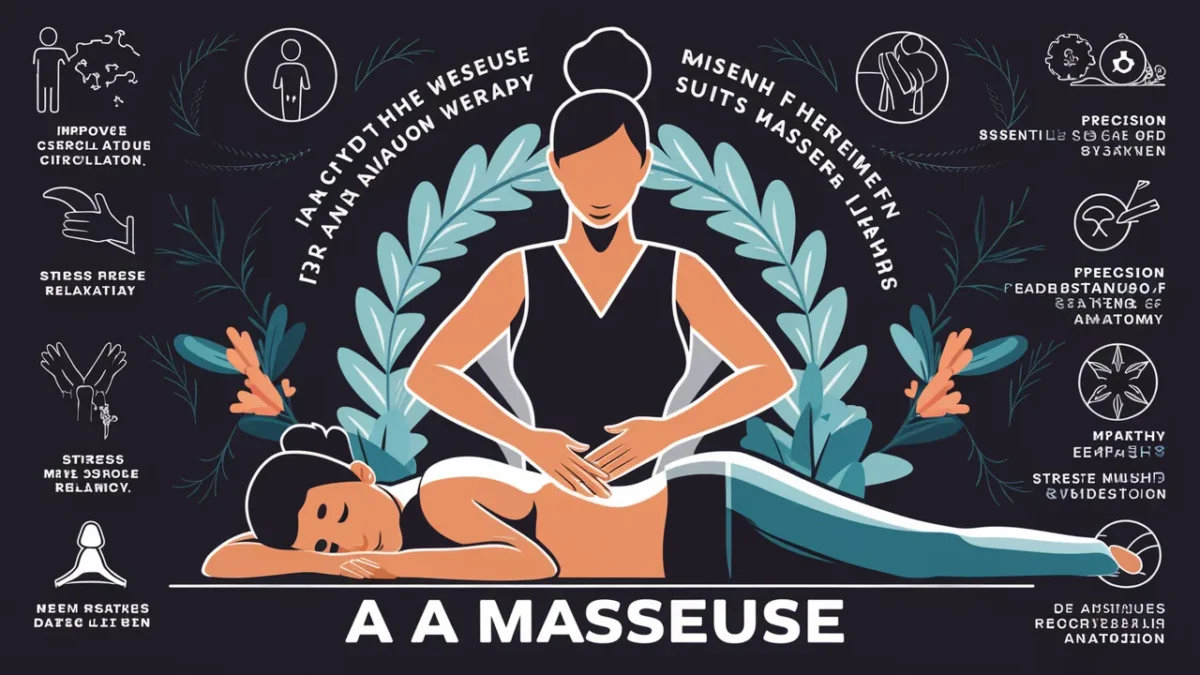

A masseuse is a trained professional who uses massage techniques to help people relax, reduce muscle tension, improve circulation, and support overall physical and mental wellness. Massage therapy has been practiced for thousands of years across different cultures and civilizations, making it one of the oldest healing methods in human history. Today, the role of a masseuse has become increasingly important as modern lifestyles create higher levels of stress, physical strain, and health-related concerns. From luxury spas and wellness centers to medical clinics and rehabilitation facilities, professional massage services are widely recognized for their therapeutic and relaxation benefits.
The growing interest in self-care and wellness has significantly increased the demand for qualified massage professionals. People now understand that massage therapy is not only a luxury experience but also an important part of maintaining physical health and emotional balance. Professional masseuses help clients manage stress, recover from injuries, reduce chronic pain, and improve flexibility and posture. Their work combines scientific understanding of the body with practical therapeutic techniques that enhance both comfort and recovery.
In this article, we will explore the meaning of a masseuse, the history of massage therapy, different massage techniques, professional skills, health benefits, career opportunities, and the growing importance of massage therapy in modern wellness culture.
What Is a Masseuse?
A masseuse is a female massage therapist trained to manipulate muscles and soft tissues through various massage techniques. The term is commonly associated with professionals who provide relaxation, therapeutic, or rehabilitative massage services. In many modern professional settings, the gender-neutral term “massage therapist” is now preferred because it applies to all practitioners regardless of gender.
A masseuse works by applying pressure, movement, stretching, and specialized techniques to different areas of the body. The purpose of massage therapy may vary depending on the client’s needs. Some clients seek massage for stress relief and relaxation, while others require therapeutic treatment for pain management, muscle recovery, or injury rehabilitation.
Massage professionals often work in spas, wellness centers, sports clinics, chiropractic offices, hotels, resorts, and healthcare facilities. Some therapists also operate private practices or provide mobile massage services for clients at home or in workplaces.
The History of Massage Therapy
Massage therapy has existed for thousands of years and has roots in many ancient civilizations. Historical evidence shows that cultures in China, Egypt, India, Greece, and Rome used massage techniques for healing and relaxation purposes. Ancient healers believed that massage could restore balance within the body and improve overall health.
In traditional Chinese medicine, massage was used alongside herbal remedies and acupuncture to support physical wellness and energy flow. Indian Ayurvedic medicine also included massage as a key element of holistic healing practices. Greek physicians such as Hippocrates recommended massage for treating injuries and improving circulation.
During the nineteenth and twentieth centuries, massage therapy became more structured and scientifically studied. Medical professionals began recognizing its benefits for muscle recovery, pain management, and stress reduction. Today, massage therapy is widely accepted as part of complementary healthcare and wellness programs worldwide.
Types of Massage Therapy
Professional masseuses may specialize in different massage techniques depending on client needs and training.
Swedish Massage
Swedish massage is one of the most popular forms of massage therapy. It uses gentle strokes, kneading, and circular movements to promote relaxation and improve blood circulation. This type of massage is commonly offered in spas and wellness centers.
Deep Tissue Massage
Deep tissue massage targets deeper muscle layers and connective tissues. It is often used to treat chronic pain, muscle tension, and sports injuries. The pressure used is stronger than in Swedish massage.
Sports Massage
Sports massage is designed for athletes and physically active individuals. It helps improve performance, reduce muscle soreness, and support recovery after intense exercise or competition.
Hot Stone Massage
Hot stone massage involves placing heated stones on specific areas of the body to relax muscles and improve circulation. The warmth enhances relaxation and stress relief.
Aromatherapy Massage
This massage combines therapeutic touch with essential oils to create a calming and rejuvenating experience. Different oils may be used for relaxation, energy, or mood improvement.
Thai Massage
Thai massage combines stretching, movement, and pressure techniques inspired by traditional Asian healing practices. It improves flexibility, balance, and energy flow.
Benefits of Massage Therapy
Massage therapy offers a wide range of physical, emotional, and mental health benefits. Modern research continues to support the positive effects of professional massage treatments.
One of the most important benefits is stress reduction. Massage helps lower tension levels and promotes relaxation by calming the nervous system. Many people seek massage therapy to reduce anxiety and improve mental well-being.
Massage also improves blood circulation, allowing oxygen and nutrients to move more efficiently throughout the body. Better circulation supports healing and reduces muscle fatigue.
Pain relief is another major advantage. Massage therapy can help reduce chronic back pain, neck stiffness, headaches, and muscle soreness. Athletes often use massage to improve recovery and prevent injuries.
Additionally, massage may improve sleep quality, flexibility, posture, and overall body awareness. Many clients report feeling more energized and emotionally balanced after regular massage sessions.
Skills Required to Become a Successful Masseuse
Professional massage therapists require both technical knowledge and interpersonal skills. A successful masseuse must understand anatomy, muscle structure, body mechanics, and therapeutic techniques.
Communication skills are equally important because therapists need to understand client concerns, comfort levels, and treatment goals. Listening carefully helps create a safe and relaxing environment.
Physical stamina is also necessary because massage therapy involves standing for long periods and using controlled physical pressure during treatments.
Professionalism, hygiene, and empathy play a significant role in building trust with clients. Many successful therapists develop long-term relationships with clients who return regularly for wellness treatments.
Continuous learning is important as well because the wellness industry constantly introduces new techniques, technologies, and therapeutic approaches.
Career Opportunities in Massage Therapy
The wellness industry continues growing rapidly, creating strong career opportunities for massage professionals. Many people now prioritize self-care, stress management, and holistic health, increasing demand for qualified therapists.
Massage therapists may work in luxury spas, healthcare clinics, rehabilitation centers, sports organizations, cruise ships, hotels, and wellness resorts. Some professionals choose to specialize in areas such as sports therapy, prenatal massage, or medical rehabilitation.
Entrepreneurial therapists can also start their own businesses, offering personalized services and building independent client bases. Online marketing and social media have made it easier for wellness professionals to attract new clients and promote their services.
In many countries, massage therapists must complete formal training programs and obtain certification or licensing before practicing professionally.
The Growing Importance of Wellness Culture
Modern lifestyles often involve stress, long working hours, poor posture, and reduced physical activity. As a result, people increasingly seek wellness solutions that improve both physical and mental health. Massage therapy has become an essential part of this wellness movement.
Companies now incorporate wellness programs into workplaces to improve employee health and productivity. Spas and wellness retreats continue expanding globally as consumers invest more in self-care experiences.
The popularity of massage therapy reflects a broader shift toward preventive healthcare and holistic well-being. Rather than focusing only on illness treatment, many people now aim to maintain balance, relaxation, and long-term health through wellness practices.
Conclusion
A masseuse plays an important role in promoting relaxation, healing, and overall wellness. Through skilled massage techniques, professional therapists help clients reduce stress, manage pain, improve circulation, and support physical recovery. Massage therapy has evolved from ancient healing traditions into a respected and valuable part of modern healthcare and wellness culture.
As awareness of self-care and mental well-being continues growing, the demand for professional massage services is expected to increase even further. Whether for relaxation, therapeutic treatment, or athletic recovery, massage therapy offers numerous benefits that improve quality of life. Understanding the role and importance of a masseuse highlights how human touch, skill, and care continue to contribute significantly to health and wellness in today’s fast-paced world.
Frequently Asked Questions (FAQ)
What does a masseuse do?
A masseuse provides massage therapy to help clients relax, reduce muscle tension, improve circulation, and support wellness.
Is a masseuse the same as a massage therapist?
Yes, although “massage therapist” is the more modern and gender-neutral professional term.
What are the benefits of massage therapy?
Massage therapy helps reduce stress, relieve pain, improve circulation, increase flexibility, and support relaxation.
What skills does a professional masseuse need?
A professional masseuse needs knowledge of anatomy, massage techniques, communication skills, and physical stamina.
Where do massage therapists work?
They may work in spas, wellness centers, hospitals, sports clinics, hotels, or private practices.
Is massage therapy a good career?
Yes, massage therapy can be a rewarding career with growing demand in the health and wellness industry.