
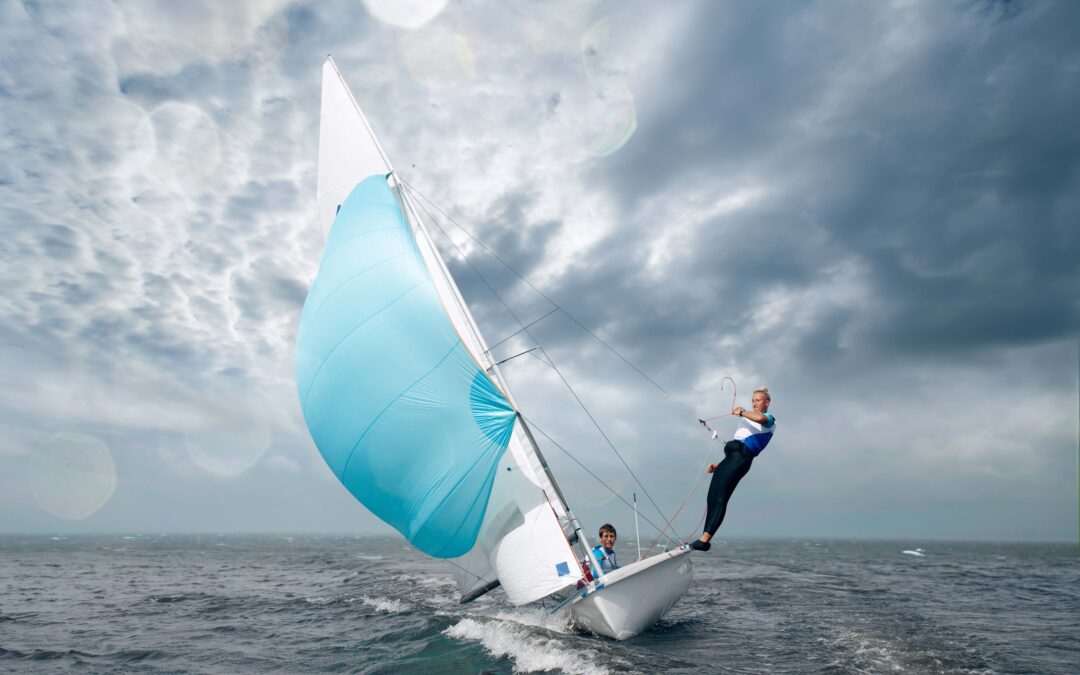

windsurfing invented is a dynamic and thrilling water sport that combines the techniques of surfing and sailing into a single activity powered by wind. It allows riders to stand on a board while controlling a sail attached to it, using wind energy to glide across water surfaces. The invention of windsurfing is not credited to a single moment in time but rather to a combination of innovative ideas and engineering developments that eventually led to the modern version of the sport. Today, windsurfing is practiced worldwide as both a recreational activity and a competitive sport, including international championships and Olympic-level events.
The invention of modern windsurfing is most commonly attributed to two individuals, Jim Drake and Hoyle Schweitzer, who worked together during the late 1960s to develop a functional and commercially viable design. Jim Drake, an aeronautical engineer, contributed technical knowledge and structural design, while Hoyle Schweitzer brought sailing experience and business vision. Their collaboration resulted in the creation of a board with a freely moving sail connected by a universal joint, allowing the rider to control direction and balance more effectively. This innovation solved many stability and usability problems found in earlier experimental designs and made windsurfing accessible to a wider audience.
🌊 Early Ideas and Development of Windsurfing
Before the modern version of windsurfing was created, several inventors experimented with sail-powered surfboards. However, these early designs were often unstable, difficult to control, or too complex for practical use. The key breakthrough came when Drake and Schweitzer refined the concept by introducing a flexible mast joint system, which allowed the sail to move naturally with wind direction. This improvement significantly enhanced balance and maneuverability, transforming windsurfing from a theoretical idea into a usable sport.
During the 1970s, windsurfing quickly gained popularity in coastal regions, especially in the United States and Europe. The sport appealed to adventure seekers because it combined physical skill, wind awareness, and ocean navigation into a single experience. As equipment improved, more people began participating, and windsurfing schools and rental centers began appearing in beach destinations around the world.
🏄 Growth into a Global Sport
As windsurfing evolved, manufacturers introduced specialized boards and sails designed for different water conditions and skill levels. This led to the development of multiple styles of windsurfing, including freestyle, wave riding, and racing. Competitive windsurfing became popular, with organized championships and professional athletes pushing the limits of speed and technique.
By the 1980s and 1990s, windsurfing had become an internationally recognized sport and was even included in the Olympic Games. Advances in materials such as carbon fiber and lightweight polymers made equipment faster, stronger, and easier to control. These innovations helped athletes perform advanced tricks and achieve higher speeds, further increasing the sport’s popularity and global reach.
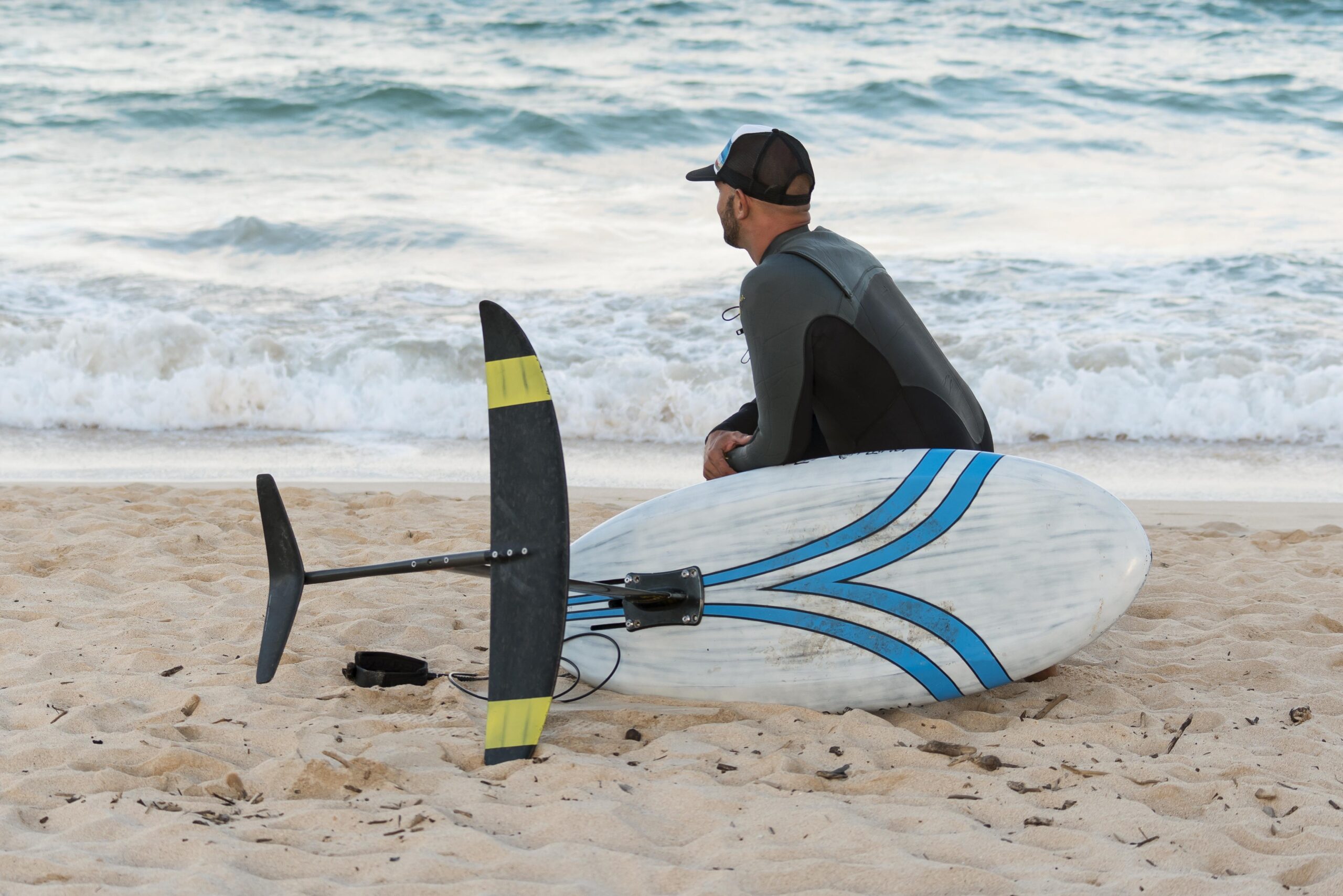
🌍 Cultural and Recreational Impact
Windsurfing is not only a sport but also a lifestyle activity associated with freedom, adventure, and connection with nature. It is especially popular in coastal tourism destinations, where beginners can take lessons and experience the thrill of wind-powered movement on water. The sport has also influenced fashion, travel culture, and outdoor recreation industries, making it a significant part of modern adventure sports culture.
Conclusion
The invention of windsurfing invented represents a powerful example of innovation driven by creativity and collaboration. From early experimental designs to the refined work of Jim Drake and Hoyle Schweitzer, windsurfing has evolved into a global sport enjoyed by millions of people. Its combination of sailing and surfing creates a unique experience that connects humans with natural wind and water forces. Today, windsurfing continues to grow as both a recreational activity and a competitive sport, maintaining its place as one of the most exciting and influential water sports in the world.
FAQ Section
1. Who invented windsurfing?
Windsurfing was developed by Jim Drake and Hoyle Schweitzer in the late 1960s.
2. When was windsurfing invented?
The modern version of windsurfing was created in the late 1960s and became popular in the 1970s.
3. Is windsurfing difficult to learn?
It can be challenging at first, but beginners can learn basic skills with practice and instruction.
4. What equipment is used in windsurfing?
A board, sail, mast, and universal joint system are the main components.
5. Why is windsurfing popular?
Because it combines surfing and sailing, offering excitement, physical activity, and connection with nature.