
The term “YouTube to MP3” has become increasingly popular as people look for convenient ways to enjoy audio content offline. Whether it is music, podcasts, lectures, or interviews, many users want to extract audio from videos for easier listening. While the concept seems simple, it involves both technical and legal considerations that are often overlooked. Understanding what “YouTube to MP3” really means, how it works, and what options are available can help users make informed decisions while staying within legal and ethical boundaries. As digital media consumption continues to grow, knowing the right way to access and enjoy content offline is more important than ever.
What Does “YouTube to MP3” Mean?
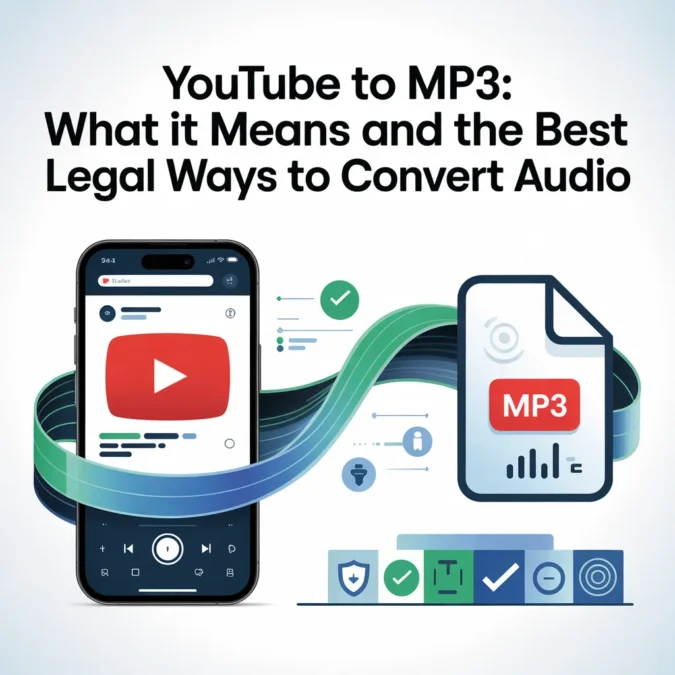
“YouTube to MP3” refers to the process of converting a video file from YouTube into an MP3 audio file format. MP3 is a widely used audio format known for its small file size and compatibility with almost all devices, including smartphones, laptops, and music players. The idea behind this conversion is to separate the audio track from the video so that users can listen without needing to stream the full video. While this may sound convenient, it is important to understand that not all content on YouTube is free to download or convert, as much of it is protected by copyright laws and platform policies.
Why People Search for YouTube to MP3
The popularity of “YouTube to MP3” stems from the growing demand for flexible content consumption. Many users prefer listening to audio rather than watching videos, especially while commuting, exercising, or working. Educational content such as lectures and tutorials is also commonly converted into audio for easier review. Additionally, some users want to save mobile data or avoid buffering issues by accessing content offline. These practical needs have contributed to the widespread search interest in YouTube to MP3 tools and methods, making it a highly competitive keyword in search engine rankings.
Legal Considerations and Platform Policies
Before using any YouTube to MP3 converter, it is essential to understand the legal implications. YouTube’s terms of service generally prohibit downloading content without permission unless a download button or feature is officially provided. This means that converting videos into MP3 files without proper authorization may violate both platform rules and copyright laws. However, there are exceptions, such as content that is in the public domain, licensed under Creative Commons, or explicitly अनुमति for download by the creator. Being aware of these distinctions helps users avoid potential legal issues while still enjoying content responsibly.
Safe and Legal Alternatives
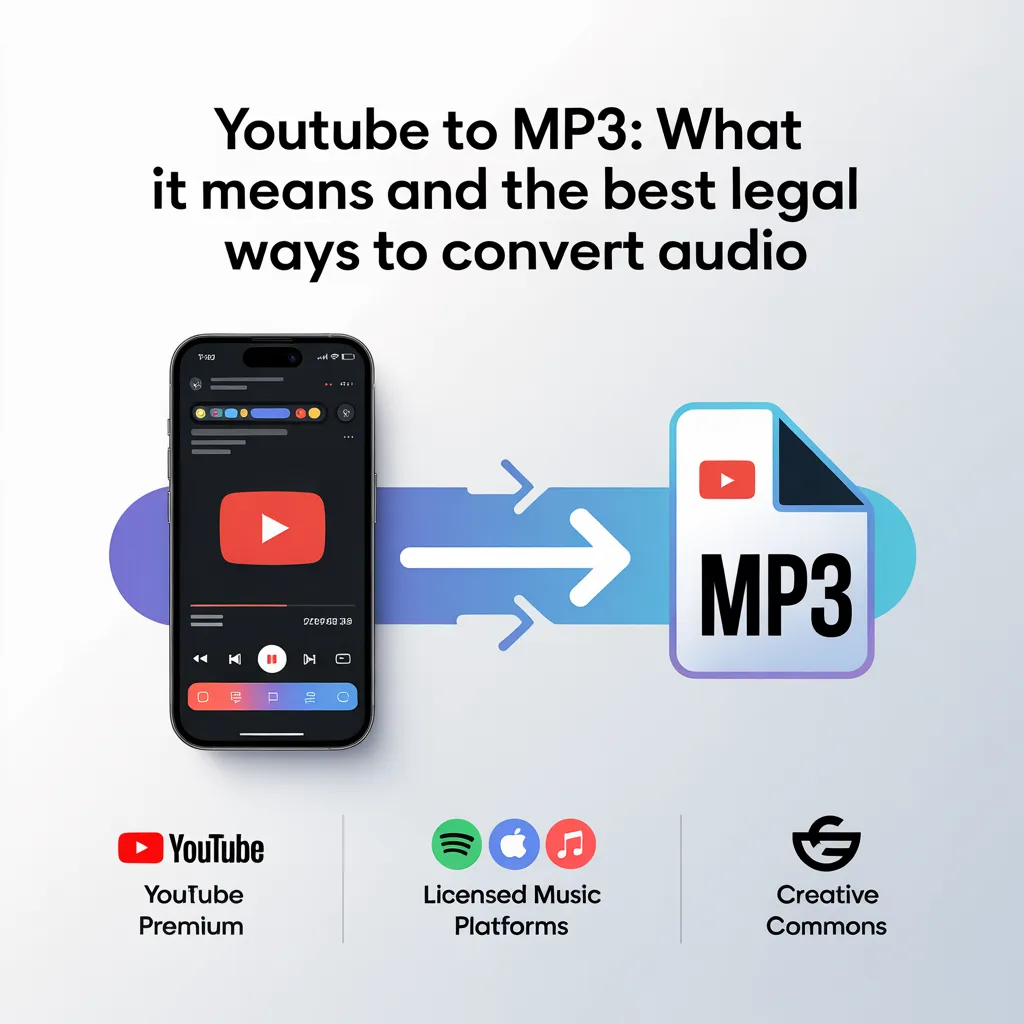
Instead of relying on unauthorized conversion tools, there are several legal alternatives that provide similar benefits. YouTube itself offers offline viewing and listening features through its premium subscription service, allowing users to download content directly within the app. Music streaming platforms also provide vast libraries of songs and playlists that can be accessed offline with a subscription. Additionally, many creators upload their content to multiple platforms, including podcasts and official music services, where audio can be accessed legally. These options not only ensure compliance with laws but also support content creators who depend on revenue from their work.
Benefits and Risks of YouTube to MP3
The main benefit of converting YouTube videos to MP3 is convenience, as it allows users to enjoy audio content anytime without an internet connection. It also reduces data usage and enables multitasking, as audio can be played in the background. However, these advantages come with risks, including potential legal consequences, exposure to malicious websites, and poor audio quality from unreliable converters. Some websites may also contain intrusive ads or harmful software, making it important for users to prioritize safety and legality over convenience.
How to Choose the Right Approach
When considering YouTube to MP3 options, users should focus on legality, security, and quality. Choosing official platforms or authorized content ensures compliance with rules and provides a better user experience. Checking whether a video is licensed for reuse or download is another important step. Additionally, using trusted apps and services reduces the risk of malware and protects personal data. By making informed choices, users can enjoy audio content without compromising safety or ethics.
Conclusion
“YouTube to MP3” is a widely searched term that reflects the growing desire for flexible and offline access to audio content. While the concept offers clear benefits, it also comes with important legal and ethical considerations that should not be ignored. By understanding what the term means and exploring safe, legitimate alternatives, users can enjoy their favorite content responsibly. As digital platforms continue to evolve, the best approach is one that balances convenience with respect for creators and compliance with platform guidelines.
FAQs About YouTube to MP3
1. What is YouTube to MP3?
It refers to converting YouTube videos into MP3 audio files for offline listening.
2. Is converting YouTube to MP3 legal?
It depends on the content. Downloading copyrighted material without permission may violate laws and YouTube’s terms.
3. Are there safe alternatives to YouTube to MP3?
Yes, official features like offline viewing on YouTube or music streaming services are safe and legal options.
4. Why do people use YouTube to MP3 converters?
Mainly for offline listening, saving data, and consuming audio content more conveniently.
5. Is it safe to use online converters?
Some may pose security risks, so it is important to use trusted and legal platforms.