


Koriandri, commonly known as coriander, is one of the most widely used herbs in the world, valued for both its culinary flavor and medicinal properties. It has been used for thousands of years across different cultures, from ancient Egyptian medicine to traditional Asian cooking and Ayurveda. The plant is unique because almost every part of it is useful, including its fresh green leaves, dried seeds, and even its roots. In modern times, koriandri has gained global attention not only as a kitchen ingredient but also as a natural remedy for digestion, detoxification, and overall health improvement. Its refreshing aroma and slightly citrus-like flavor make it a favorite in soups, salads, curries, and herbal drinks.
🌿 What is Koriandri (Coriander)?
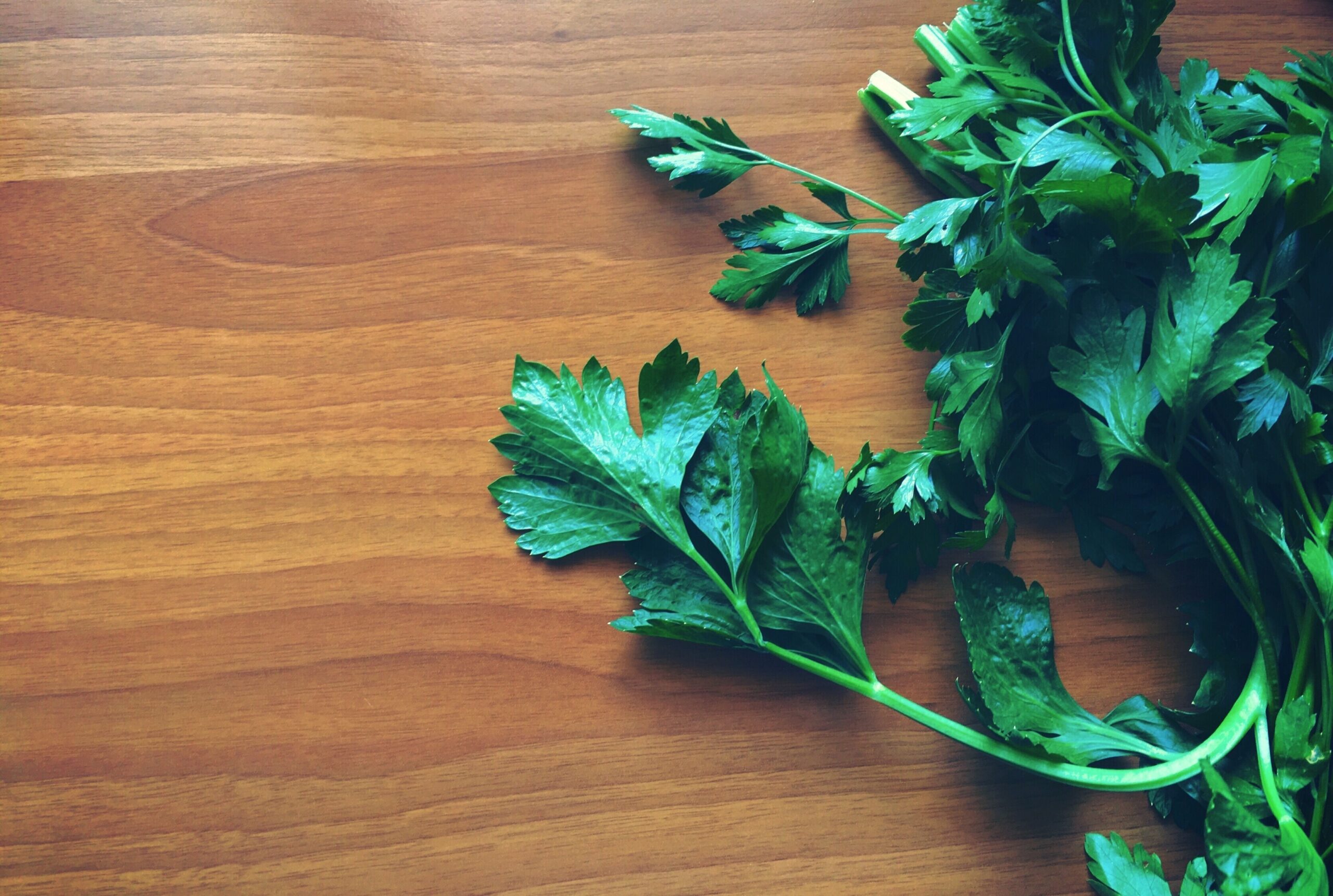
Koriandri is a soft, green herb belonging to the parsley family. Scientifically known as Coriandrum sativum, it is grown in many parts of the world including Asia, Europe, and the Middle East. The plant produces small round seeds that are dried and used as a spice, while its fresh leaves are used as a garnish or cooking herb. In different countries, koriandri is known by various names, such as cilantro in the United States, dhania in South Asia, and coriander in Europe. What makes this herb special is its dual identity: the leaves and seeds taste completely different, yet both are highly beneficial for human health.
🌿 Nutritional Value of Koriandri
Koriandri is packed with essential nutrients that support overall wellness. It contains vitamins such as vitamin A, vitamin C, and vitamin K, along with important minerals like potassium, calcium, magnesium, and iron. The leaves are particularly rich in antioxidants that help the body fight harmful free radicals. The seeds contain dietary fiber and essential oils that improve digestion and metabolism. Despite being low in calories, koriandri is highly nutritious, making it a perfect addition to healthy diets.
🌿 Health Benefits of Koriandri
One of the most important reasons koriandri is widely used is its powerful health benefits. It supports digestive health by reducing bloating, gas, and indigestion, making it a natural remedy for stomach discomfort. It also helps in detoxifying the body by removing heavy metals and toxins. Regular consumption of coriander may improve heart health by reducing bad cholesterol levels and supporting healthy blood pressure. Additionally, its anti-inflammatory properties can help reduce pain and swelling in the body.
Koriandri is also known for its ability to regulate blood sugar levels, making it beneficial for people with diabetes. Its antioxidants support skin health by reducing acne and promoting a natural glow. Some studies suggest that coriander may even support brain health by improving memory and reducing stress. Because of these combined benefits, koriandri is often recommended in traditional medicine systems like Ayurveda and herbal therapy.
🌿 Uses of Koriandri in Cooking and Daily Life
Koriandri is a highly versatile herb used in countless dishes around the world. Fresh leaves are commonly used as a garnish on curries, soups, salads, and rice dishes, adding a refreshing aroma and flavor. The seeds are dried and used as a spice in spice blends such as curry powder and garam masala. In many cultures, coriander is also used in pickles, chutneys, sauces, and marinades.
Beyond cooking, koriandri is used in herbal teas and detox drinks due to its cleansing properties. Some people also use coriander essential oil in aromatherapy and natural skincare products. Its ability to blend well with different flavors makes it one of the most important herbs in global cuisine.
🌿 Medicinal Importance of Koriandri
In traditional medicine, koriandri has been used for centuries to treat various health conditions. It is known for supporting liver function and improving digestion. Herbal practitioners often recommend coriander water for detoxification and hydration. It is also used to relieve symptoms of nausea and stomach infections. In Ayurveda, koriandri is considered a cooling herb that balances body heat and improves overall energy levels.
Modern research continues to explore its antimicrobial and antioxidant properties, confirming many of its traditional uses. This makes koriandri a valuable natural remedy that bridges ancient wisdom and modern science.
🌿 Side Effects of Koriandri
Although koriandri is generally safe for most people, excessive consumption may lead to mild side effects in some cases. These can include allergic reactions, skin sensitivity, or low blood pressure in sensitive individuals. People who are on blood sugar or blood pressure medications should consume it in moderation. However, when used in normal food amounts, coriander is considered completely safe and beneficial.
🌿 Conclusion
Koriandri (coriander) is much more than just a kitchen herb; it is a powerful natural ingredient with deep medicinal, nutritional, and culinary value. From improving digestion and detoxifying the body to enhancing the flavor of food, its benefits are both practical and health-enhancing. Its global popularity continues to grow as more people shift toward natural and herbal lifestyles. Whether used in fresh leaves, dried seeds, or herbal remedies, koriandri remains one of the most valuable herbs in human history. Including it in your daily diet can significantly contribute to better health and overall well-being.
FAQ (Frequently Asked Questions)
1. What is koriandri used for?
Koriandri is used in cooking, herbal medicine, detox drinks, and skincare due to its flavor and health benefits.
2. Is coriander and koriandri the same?
Yes, koriandri is another name for coriander, commonly used in South Asia.
3. Can koriandri help with weight loss?
Yes, it may support weight loss by improving digestion and boosting metabolism.
4. Is koriandri safe for daily use?
Yes, it is safe when consumed in normal food quantities.
5. What are the main benefits of koriandri?
It supports digestion, detoxification, heart health, skin health, and blood sugar control.